Ths is a blog about gold and its different colors
Diving into the World of Colored Gold: A Chromatic Metamorphosis
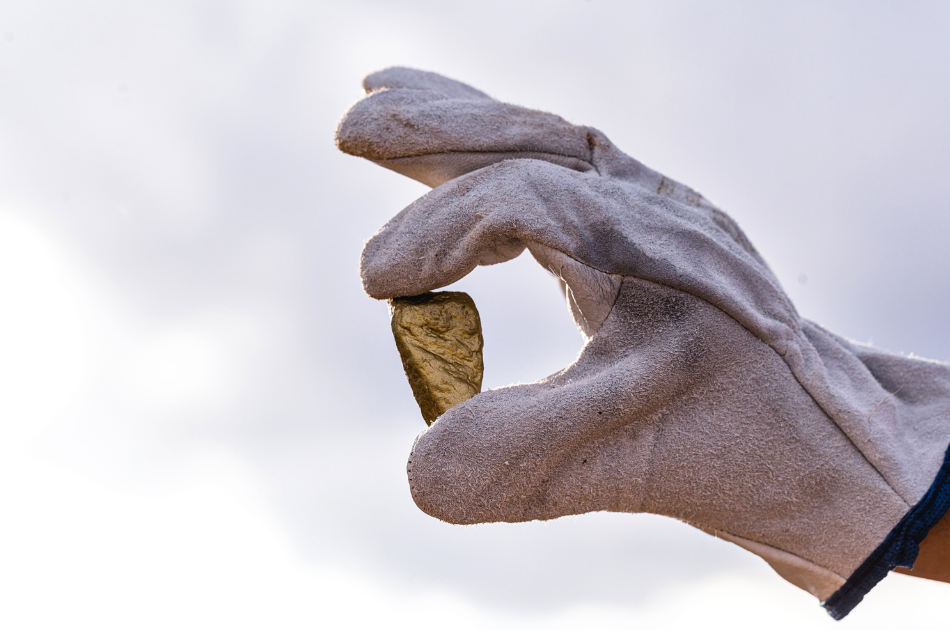
Colored gold, an enchanting term, describes gold that has undergone transformations to embrace hues beyond its natural shade. Pure gold, initially a reddish-yellow marvel, embraces a vibrant spectrum when alloyed with various elements.
These often captivating transformations classify colored gold into three groups:
- Alloys: Melding gold with silver and copper births a spectrum of malleable material – white, yellow, green, and red golds. Each alloy boasts a unique character and appeal.
- Intermetallic Compounds: The fusion of gold with elements yields a palette of blue, purple, and other colors. While these alloys are typically brittle, they shine as gems and inlays, showcasing intricate artistry.
- Surface Treatments: Oxide layers work their magic, weaving a layer of depth onto gold's canvas.
In the realm of karats, purity reigns supreme.
- Pure gold, a 24-karat treasure (often 99.9% or purer), sets the benchmark.
- Colored golds, though, step down the purity ladder, often embraced at:
- 18K (75%),
- 14K (58.5%),
- 10K (41.6%),
- 9K (37.5%).
The captivating world of colored gold, where art, chemistry, and alchemy converge and creates treasures that transcend nature's palette.
| Gold Karat | Purity |
|---|---|
| 24K | 99.9% or purer |
| 18K | 75% |
| 14K | 58.5% |
| 10K | 41.6% |
| 9K | 37.5% |
White gold
- White gold is an exquisite blend of metals, often 90% gold and 10% nickel. It could also be made of 75% of gold and 25% of either nickel, zinc and/or palladium.
- Its colors vary subtly from pale yellow to faint rose. Jewelry often conceals this with rhodium plating, creating an illusion. Without the rhodium it looks a little greyer and duller.
Yet, beware, when white gold alloys contain nickel, it can cause minor skin reactions. Many countries now opt for nickel-free formulations. (Personally, I am very allergic to nickel)
In summary, white gold, though often hidden beneath the surface, is a symphony of elegance and strength where simplicity reigns supreme.
Yellow Gold
For 18K yellow gold, common blends include:
- Classic 18K Yellow Gold: 75% gold, 12.5% copper, 12.5% silver.
- Deeper Hue in 18K Yellow Gold: 75% gold, 15% copper, 10% silver.
In these simple formulations, gold's timeless allure takes center stage.
Rose, red, or pink gold
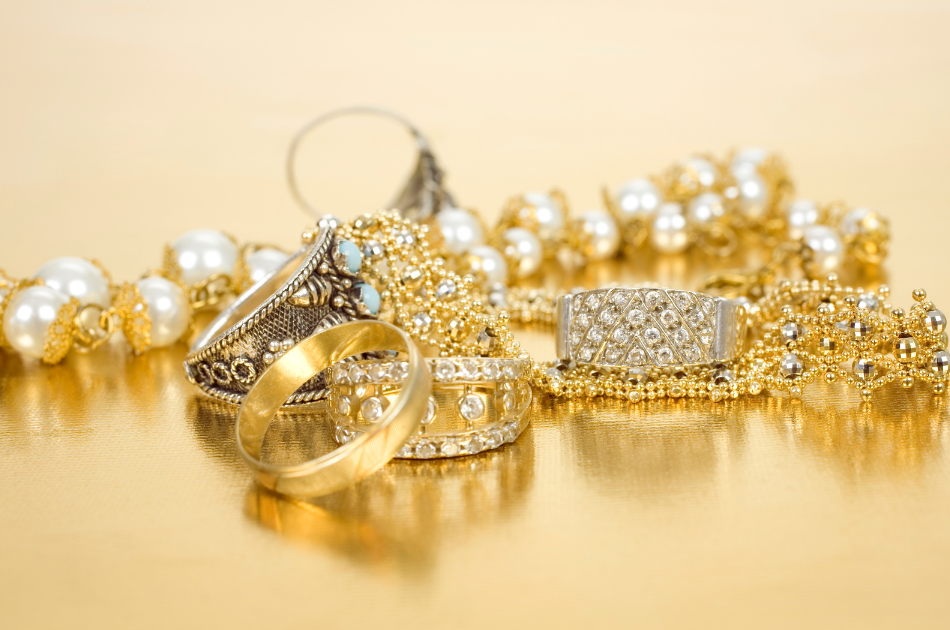
Rose gold, also known as pink gold or red gold, is a captivating gold-copper alloy cherished in specialized jewelry. This elegant alloy, once popularly known as Russian gold, has witnessed a resurgence in the 21st century, adorning wedding rings, bracelets, and other adornments.
Although the terms red, rose, and pink gold are often used interchangeably, they vary in copper content, influencing the depth of their red hues. Pink gold boasts the least copper, followed by rose gold, while red gold flaunts the highest copper content.
Common Alloys and Their Composition
- 18K Red Gold: 75% gold, 25% copper.
- 18K Rose Gold: 75% gold, 22.25% copper, 2.75% silver.
- 18K Pink Gold: 75% gold, 20% copper, 5% silver.
To enhance color, copper-rich alloys may incorporate up to 15% zinc, casting a reddish or dark yellow tint. In the Middle East, 14K red gold, with 41.67% copper, is common.
The Pinnacle of Karats: Crown Gold
The zenith of rose gold purity, known as crown gold, reaches 22 karats.
A glimpse into the History of reddish gold:
- In ancient times, gold often took on a reddish hue due to impurities in the smelting process.
- This historical tint is why numerous Greco-Roman and medieval texts describe gold as "red," adding an intriguing layer to the story of this timeless alloy.
Green Gold
Green gold, known to the ancient Persians as early as 860 BC, was called electrum. This naturally occurring alloy marries the shimmer of silver with the allure of gold. Its history spans millennia further, having been cherished by Akkadians and Ancient Egyptians, an artistry evident in the Royal Cemetery at Ur. Even the summits of some Egyptian pyramids glistened beneath thin layers of electrum. Interestingly, it appears more greenish-yellow than green, a charming nuance.
Cadmium's Emerald Touch: A Cautionary Note
To achieve a vivid green hue, cadmium can be introduced into gold alloys, but it comes with health concerns due to cadmium's high toxicity. An alloy comprising 75% gold, 15% silver, 6% copper, and 4% cadmium forms a mesmerizing dark-green alloy.
The charm of green gold echoes through history, an alloy that once crowned pyramids and continues to captivate with its unique allure, even in the face of modern caution.
Purple Gold
Purple gold, also known as amethyst gold and violet gold, is an alloy merging gold with aluminum, boasting a rich gold-aluminum intermetallic blend (AuAl2). With gold content hovering around 79%, it dons the aura of 18-karat gold.
This alloy, while captivating, boasts brittleness. Its intermetallic nature contrasts with malleable alloys, making it prone to shattering upon impact. Hence, it's often faceted and machined, serving as a gem within conventional jewelry rather than a standalone piece.
Ethereal Purple Gold: A Unique Gem of Alloy
At varied gold proportions, its character transforms. A lower gold content entails a blend of intermetallic and aluminum-rich solid solutions. As gold content rises, the gold-enriched AuAl intermetallic dominates, preserving the enchanting purple hue. At 88% gold, AuAl assumes control, and hues shift.
The composition of AuAl2 leans towards Al11Au6, its sublattice incomplete, adding to its enigmatic nature. Purple gold, a fusion of beauty and fragility, embodies an alloy as mesmerizing as intricate.
Blue Gold
Blue gold, a fusion of gold with gallium or indium, captures an ethereal essence. Gold–indium, composed of 46% gold (around 11 karats) and 54% indium, crafts the intermetallic wonder, AuIn2. Despite claims of a "clear blue color," its CIE LAB color coordinates reveal a soft, greyish allure, with values at 79, −3.7, and −4.2.
In the realm of blue gold, gallium, and gold unite in the intermetallic marvel, AuGa2 (58.5% Au, 14ct), displaying a subtler bluish tint. AuIn2 boasts a melting point of 541 °C, while AuGa2 melts at 492 °C. Among these intermetallics, AuIn2 proves less brittle than AuGa2, and AuAl2 takes the crown for brittleness.
Crafting Blue Gold Elegance: The Art of Plating
A surface plating of blue gold on karat gold or sterling silver is an art in itself. It begins with gold plating, followed by indium plating, with layer thickness meticulously matching the 1:2 atomic ratio. A delicate heat treatment brings forth the interdiffusion of metals, conjuring the desired intermetallic compound, casting a spell of elegance in blue gold.
**Transforming Gold's Hue: Unveiling Blue and Sapphire Elegance**
Oxide layers, the artisans' tools, hold the key to blue gold's transformation. A blend of 75% gold, 24.4% iron, and 0.6% nickel, when heat-treated in the air between 450 and 600 °C, conjures a captivating blue layer. This interplay of elements transcends alloy composition, creating a dance of hues.
The journey takes a different path for those seeking richer, sapphire-toned gold. By fusing gold with ruthenium, rhodium, and three other secret elements, followed by heat treatment at 1800 °C, a colored surface oxide layer forms, just 3–6 micrometers thick. This sapphire marvel shines at 20–23K, a testament to the fusion of artistry and alchemy.
Please note: this article has been composed with care using various online sources. Consult with your goldsmith or jeweler if you have any concerns about allergies. If an expert in this field finds anything in this article that's not up to date, or faulty, please do let us know.
Comments (1)
Leave a comment

© 2013 - 2025 Bizzita. All Rights Reserved
Legal Information | Copyright & Privacy Policy | Term & Conditions
harshil
Keep up the great work! Thank you so much for sharing a great posts.
reply